Physical Address
304 North Cardinal St.
Dorchester Center, MA 02124
Physical Address
304 North Cardinal St.
Dorchester Center, MA 02124

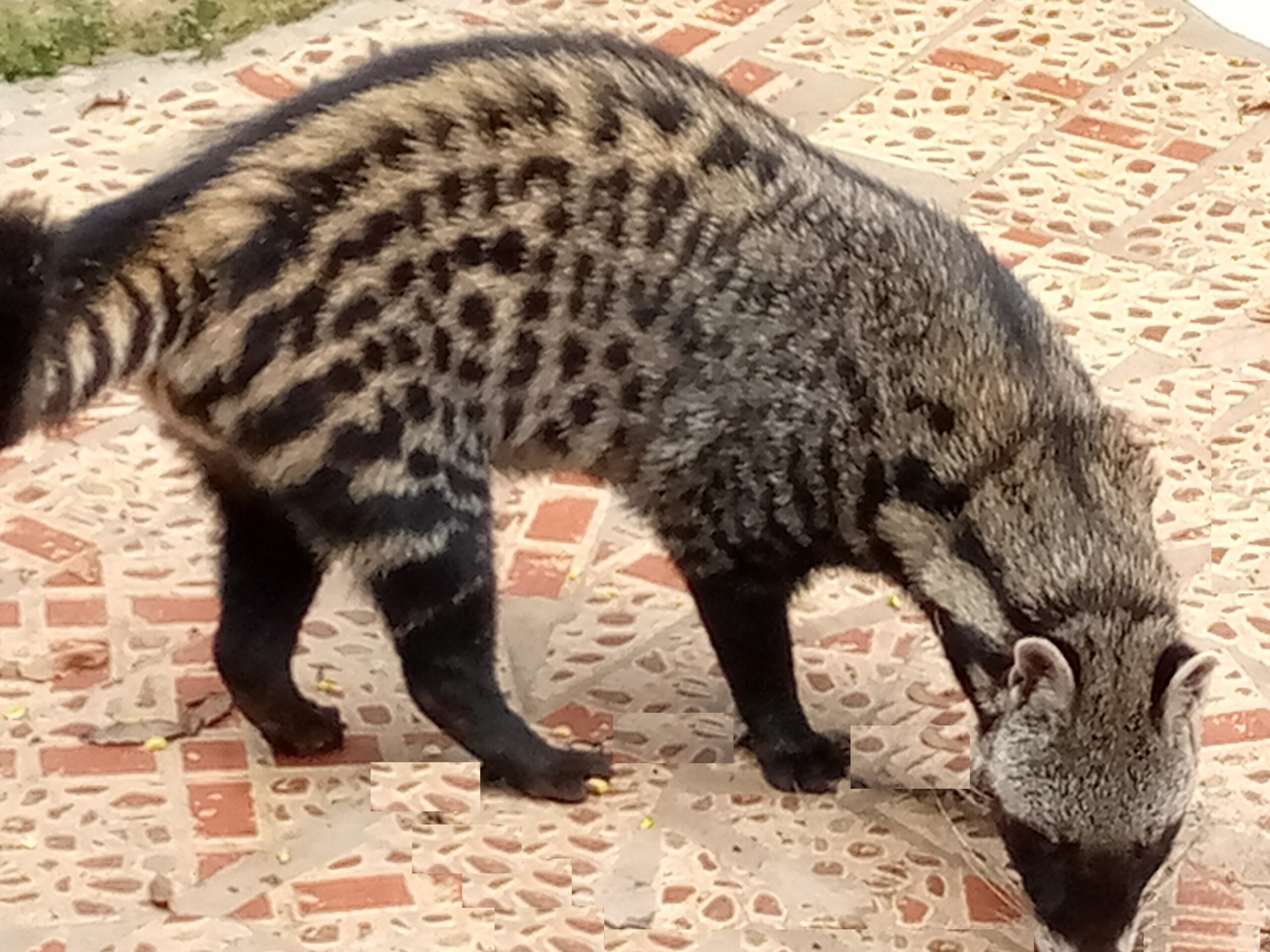
There is a growing interest in whether or not African civets can be good pets, in this article we will explore the African civet, its habitat, behavior, diet, and interesting facts about the African Civet. This article will also identify the suitability of the African Civet Cat as a pet.
The term civet can mean differently depending on the industry you find yourself in: in music civet is an American punk band in California, in economics civet represents the 6 countries of emerging markets while in the perfume industry, civet is also known as civet musk refers to the secretion from the anal gland of animals in the Viverridae species
“check out all you need to know about keeping African Civets as pets in the metaverse”
A civet in this article refers to a slender mammal mostly found around tropical sub-Saharan African countries and certain parts of Asia. These animals are mostly nocturnal, in that they possess tapetum lucidum which enables them to see at night.
There are many species of civet including the African civet(Civettictis Civetta), African palm civet (Nandinia Binotata), masked palm civets, and Asian palm civets 
The African Civet is a Viverridae that is found in the sub-Saharan African tropical rainforest. They are naturally carnivorous but feed on some fruits, vegetables, insects, and other plants. Despite the fact that African Civets are carnivorous, their feeding pattern is consistent with that of omnivores. African civets have a beautiful fur pattern of white with black blotches and spots that are unique to each individual. They are considered animals of the least concern with respect to the conservation status by the IUCN red list since 2008. In Ghana, the African civet is very common in the forests and weighs between 1 kilogram (2.2 pounds) and 20 kilograms (44 pounds) depending on age and sex. African civets may reach between 40cm to 84 cm in length. Wild African civets are active at night (nocturnal ) but domesticated ones are active during the day but however have tapetum lucidum which helps them see better at night.
African civets are usually found in tropical forests but can survive in areas of tall grasses with water sources. They require thickets or tall grasses to provide camouflage to help them both escape from their predators and outsmart their prey in the wild. African Civets usually nurse their cubs in underground burrows.
African civets are beautiful animals with awesome features that make them very attractive. these are some of the reasons why people like to keep them as a pet:
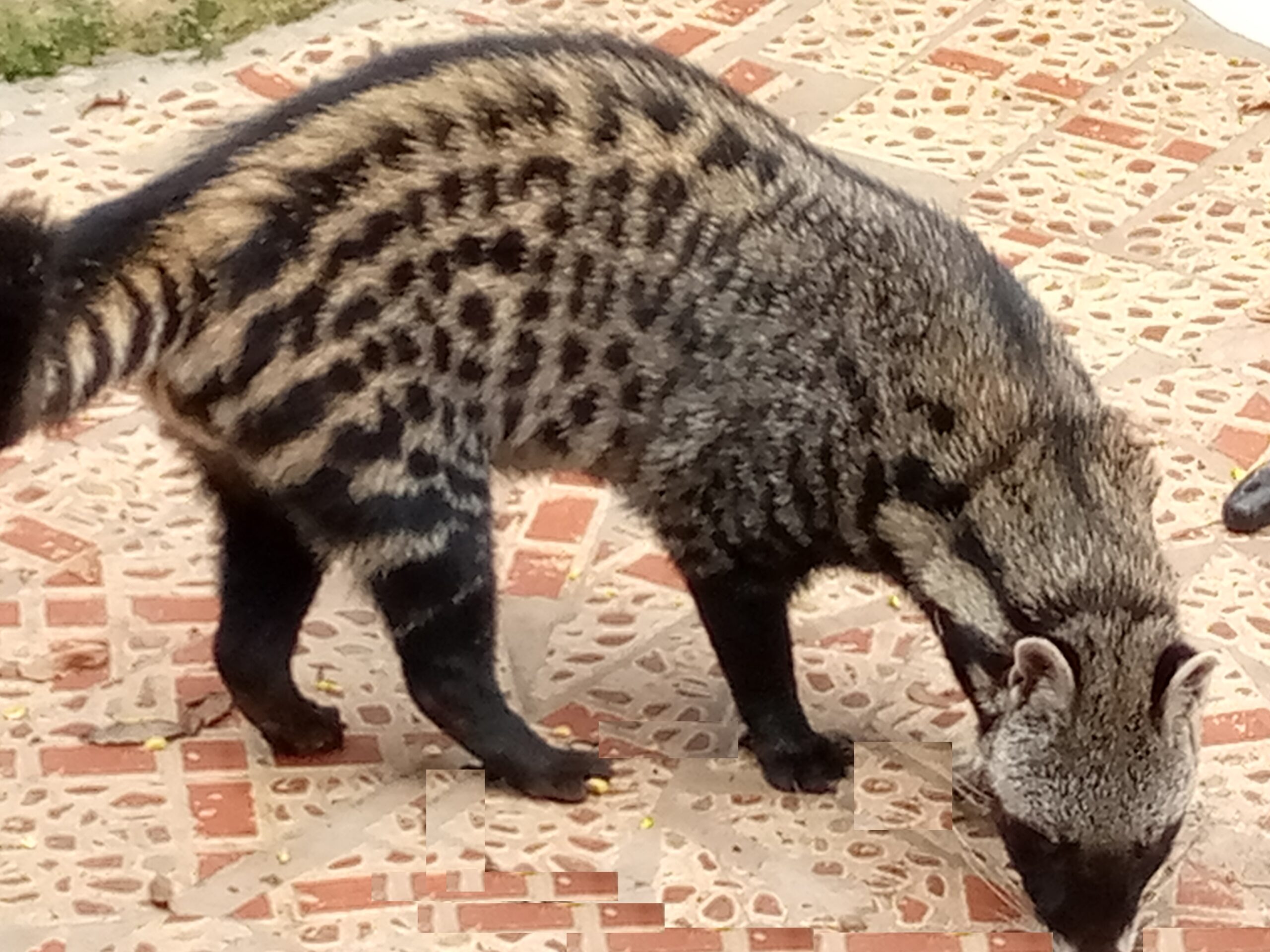
African Civet Cats are beautiful and make great pets. They are not as dangerous as speculated. I love this video since it speaks volumes about how African Civets can relate to their human friends.
African civets are considered wildlife and based on the regulations in the state or country you are in it is very important to contact your wildlife veterinarian before keeping an African civet as a pet
In keeping wildlife, it is equally important to allow the animal to exhibit their natural behaviors and the environment should mimic the natural environment as much as possible under the supervision of your wildlife veterinarian.
For the purpose of diseases crossing from wildlife populations into human populations never keep wildlife without consulting your wildlife Veterinarians.
References: https://en.wikipedia.org/wiki/African_civet