Physical Address
304 North Cardinal St.
Dorchester Center, MA 02124
Physical Address
304 North Cardinal St.
Dorchester Center, MA 02124


There is a reported rise in the number of dogs coming down with vomiting and diarrhea in the cities in northern England as described by the University of Liverpool as prolific vomiting and diarrhea. Over 150 dogs have been presented to the veterinary clinics for treatment within a span of two weeks with the same clinical presentation. The culprit is thought to be canine enteric coronavirus(CECov). This is article will help you understand Canine Enteric Coronavirus outbreaks and suggest ways you can keep your dog safe and healthy.
CECov is an RNA virus belonging to the coronavirus family. CECov is a member of the alphacoronavirus and is different from the human coronavirus (Covid-19).In veterinary practice, coronaviruses are diagnosed quite often all over the world and either treated or managed successfully. This is most likely because the coronavirus is fragile and inactivated by most disinfectants including soap.
Epidemiologically, the number of CECov cases goes up during winter, most likely because the virus survives a little longer in the cold environment as compared to the summer(warmer) environment. Also, very low temperatures may increase the stress factors in the dogs thereby increasing the chances of the dogs coming down with CECov infection.
list of horseriding schools, check this out!
Most dogs with Canine Enteric Coronavirus will not show any signs of the disease at all in the subclinical presentation but the mild to severe forms of Canine Enteric Coronavirus present with vomiting, diarrhea, loss of appetite, dehydration, depressed attitude.
Very severe forms of the disease(CECov) mimics parvoviral enteritis and presents with bloody(hemorrhagic) diarrhea, sporadic vomiting, severe dehydration, weakness, and death in some situation.
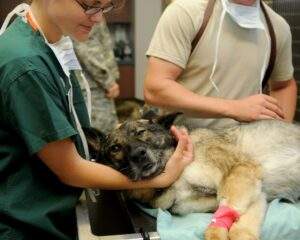
Canine enteric coronavirus spreads mainly by the oro-fecal route, what this means is that your dog can only get this virus by ingesting the virus in the feces of an infected dog. This may be through one of the following:
In all these situations, a minimum amount of the virus must be ingested or be present to cause the infection. Dogs with relatively strong immune systems may not come down with the infection.
Aside from dogs, cats may come down with canine enteric coronavirus. In rare situations, canine enteric coronavirus has been reported in animals within the canine or dog family.

There is no specific treatment for CECov. Treatment is mainly symptomatic depending on the presentation of the disease in your dog. Your Veterinarian will treat your dog according to his or her findings after the physical examination and laboratory analysis.
check this out if you intend to import dogs into Ghana

CONCLUSION:
The outbreak of canine enteric coronavirus is thought to be seasonal with the highest occurrence during winter. I believe the recommendations in this article will help you keep your dog safe from the canine enteric coronavirus outbreak
REFERENCE: