Physical Address
304 North Cardinal St.
Dorchester Center, MA 02124
Physical Address
304 North Cardinal St.
Dorchester Center, MA 02124

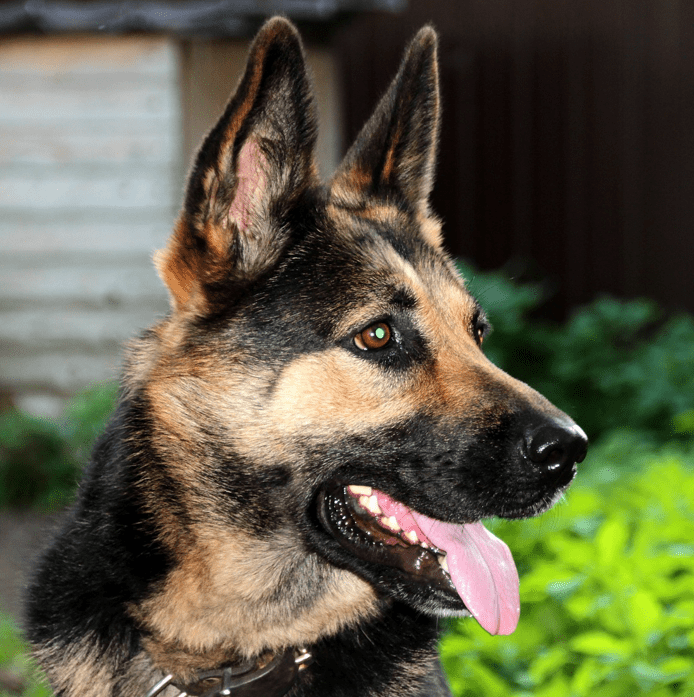
Knowing the weight of your dog is very important in tracking the growth, wellbeing and will give you an indication of disease or malnutrition in your dogs. You don’t want to keep a dog without keeping track of his or her weight. This article will help you know your dog’s weight and all that you need to know about the weight of dogs.
The weight of a dog refers to how heavy your dog is taking into account the total mass of your dog and the effect of gravity acting on your dog. Mathematically;
weight=mass*gravity.
The weight of dogs is usually recorded in pounds or kilograms(gram). There are two main ways of checking the weight of a dog:
FIND OUT THE CONDITIONS UNDER WHICH YOU CAN KEEP BINTURONG CIVET CAT AS A PET
The following are the benefits of knowing the weight of your dog

Domesticating the African Civet cat,the pet for the future
In our veterinary practice, every dog that comes for routine checkups, deworming or diagnoses is weighed and documented irrespective of how often you visit except for repeat cases.
In growing puppies, especially those taking their primary vaccinations, their weights are checked every two to three weeks before they are wormed or inoculated. In healthy adult dogs, it is important to check the weight every 3 months and at most every 6 months. If this may confuse you since all the dewormers use the weight f the dog to calculate the dose, check the weight of your healthy dog anytime you are going to deworm your dog. Checking the weight of your dog is an inexpensive procedure that most Veterinary hospitals offer free of charge. You can actually check the weight of your dog yourself, let’s have a look at how you can do that.
Weighing your dog at home can be a simple procedure and like was mentioned earlier, there are two main ways of weighing your dog; either by using a weighing scale or using a measuring tape. The commonest technique is the use of a weighing scale.

There are different forms of scale for checking the weight of dogs. Small dogs like chihuahua require much sensitive smaller scale while great Danes require a bigger scale to weigh.
(w+d)- w= weight of your dog
I hope these simple steps can help you get the weight of your small dog. Now let’s look at getting the weight of a big dog.
smaller dogs may not be so difficult to weigh since they can be lifted compared to bigger dogs. if your big dog does not like to stand on the weighing scale, it could be because of one of the following reasons.
If your dog does not want to stand on the weighing scale at the veterinary hospital or at home, take a short walk away from the scale. this helps your dog to take away the tension of getting forced onto a scale. While taking the short walk you can give your dog some treats and talk to him in a gentle tone. try again using the treat to reward him if he makes major moves and finally stands on the scale. If your dog still does not want to stand on the scale, you might want to work together with your veterinarians to sedate your dog for the weight to be checked.
GET TO KNOW THE 10 BEST STEPS TO TREAT MAGGOTS IN THE SKIN OF YOUR DOG
The best way to find out if your dog has the right weight and not underweight or obese is to talk to your Local Vet who will help you know the body condition score for your dog. The body condition score takes into account the weight of the dog or size, age, and bride of the dog. Contact your local Veterinarian or any of these recommended veterinarians if you are in Texas
The following is the list of 5 common dogs in America with the recommended weights.
| BREED OF DOG | WEIGHT FOR MALES | WEIGHT FOR FEMALES |
| American Hairless Terrier dog | 12-16 pounds (5.5-7.5kg) | 12-16 pounds (5.5-7.5kg) |
| American Staffordshire Terrier | 55-70 pounds (25kg-32kg)) | 40-55 pounds (18kg-25kg) |
| Retrievers(Labrador) | 65-80 pounds(29.5 -36kg) | 55-70 pounds (25- 32kg) |
| French bulldogs | 15-28 pounds(6.8- 12.7kg | 15-28 ponds (6.8-127kg) |
| German Shepherds | 65-90 pounds(29.5-41kg) | 50-70 pounds |
reference